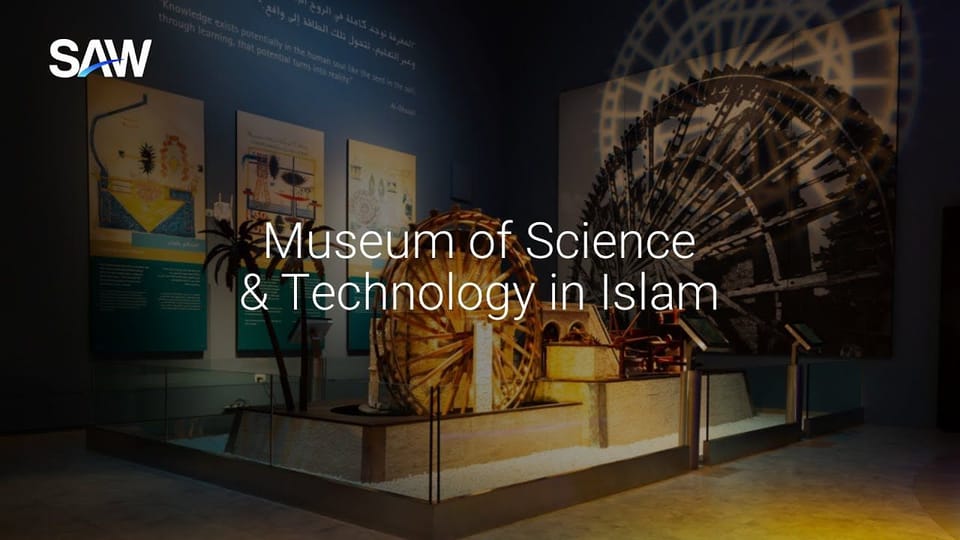
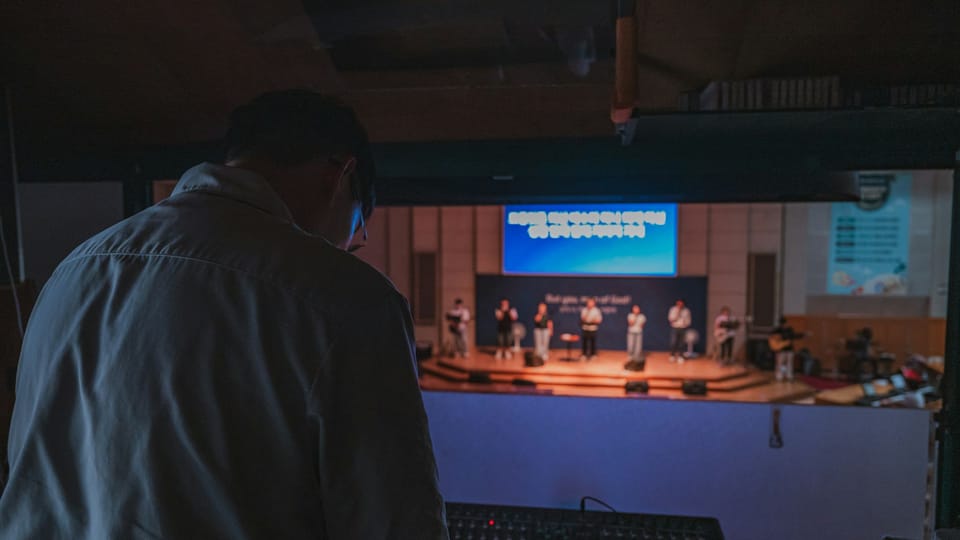
Bring AV in at concept stage, not after design freeze
Most of what goes wrong with exhibition technology is decided before anyone specifies a projector. Why we'd rather sit beside the designers from the pitch, and what changes when we do.
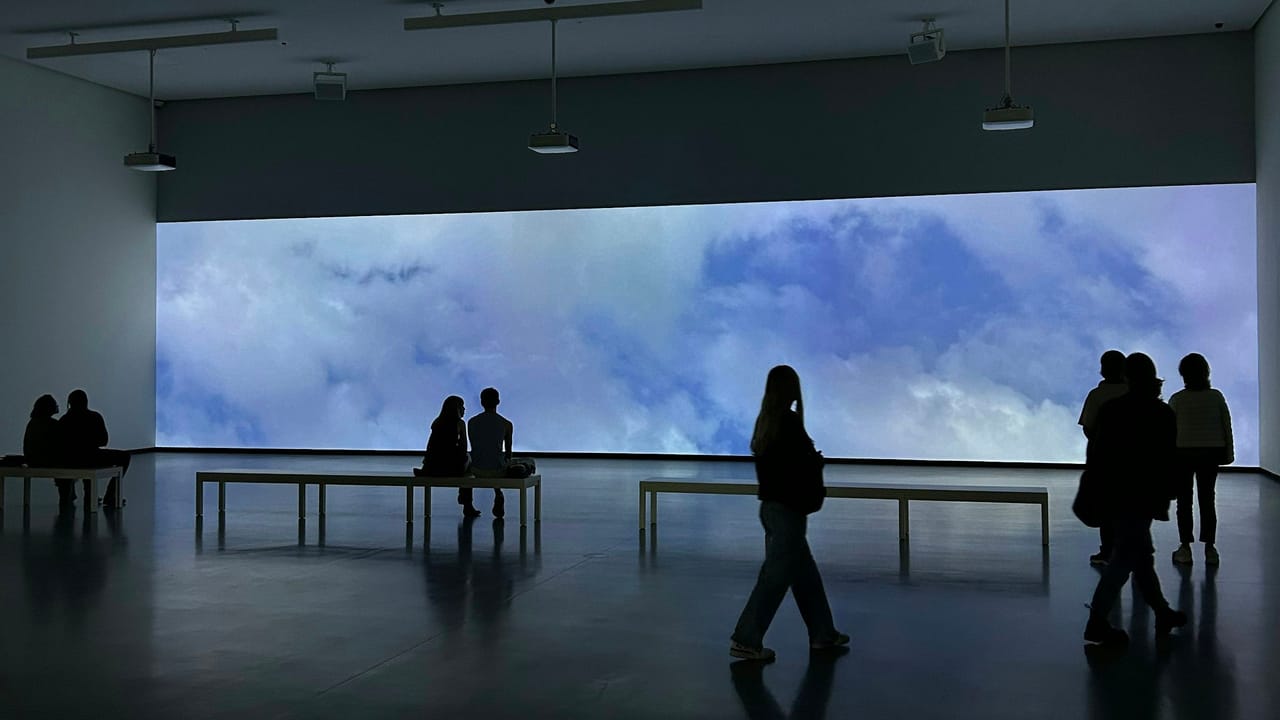
On many exhibition projects, the technology team arrives once the design is frozen. The drawings are signed off, the content brief is written, and the job is to make it work.
Sometimes it does. Often, the problems that follow were settled months earlier: a projection wall that faces a window, an interactive with nowhere to hide its computer, a film produced at a resolution no display in the room can show, a gallery with no space for a rack. None of these are failures of design. They're decisions made without the technology in the room.
What's decided before the specification
By design freeze, most of what matters to the technology is already fixed:
- Where things go. Sight lines, ceiling heights, ambient light and where a visitor stands.
- What the content is. Formats, resolutions, running times, whether it's interactive and how.
- What the building gives you. Power, data, cooling, access for maintenance, and room for equipment.
- What it will cost to run. How many devices, how they're monitored, who restarts them after a power cut.
Change any of those late and you pay twice: once in redesign, and again in the compromise that's left.
What we do at concept stage
We'd rather work as the design team's technology lead from the pitch. Not to design the exhibition (that's the studio's job, and they do it well), but to make sure what's designed can be built, run and supported.
Before the pitch, we check the concept can be delivered for the budget, so nothing reaches the client that hasn't been costed.
While the design is open, we set the technical framework with the studio: the software architecture, the content specifications and the hardware, network and infrastructure behind them. Content producers get a specification before they start. Architects get space and power requirements while walls can still move.
Through the architect's stages, from schematic design to construction documents, the technology follows the same programme as everything else, rather than catching up with it.
On the Mishkat Interactive Centre in Saudi Arabia, working with formula D_, that early conversation is why children can stand right at the screen: ultra-short-throw laser projection means they cast no shadows on the image they're touching. It's a small detail, and it had to be decided before the room was.
What changes for the people who run it
Bringing technology in early isn't only about the opening. It decides the next ten years.
A system planned from concept can be networked and standards-based, so the museum's IT team can own it. It can have remote access and monitoring built in from day one, so a fault is spotted before visitors find it. It can leave space and access for maintenance, and for the content refresh that every exhibition eventually needs.
Retrofit those after design freeze and they're compromises. Plan them at concept and they're simply part of the design.
Our ask
If you're a studio pitching an exhibition with significant technology in it, call us before the pitch, not after the win. We'll tell you plainly what can be built for the budget, and we'll protect your design intent from concept to commissioning.